How to Choose Velvet Jewelry Pouches: Pile, Lining and Drawstring
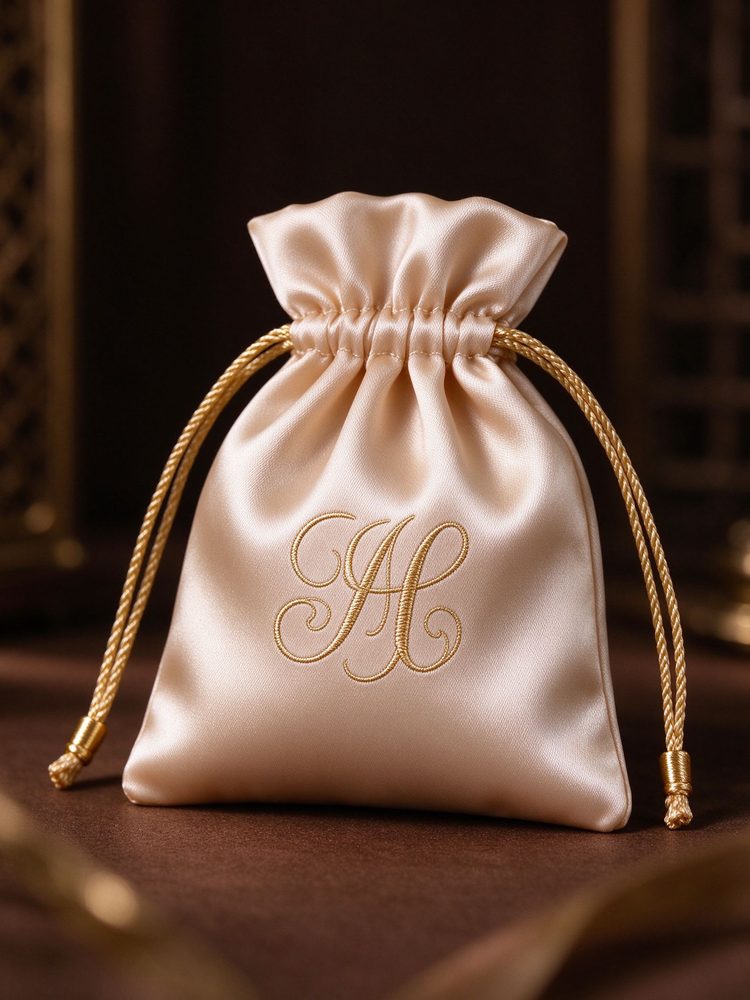
Velvet pouches remain the default choice for fine jewelry because they solve two problems at once: protection and ceremony. A short, dense pile reduces friction against polished metal and glass, while the soft handfeel signals care before the box is even opened.
Start with the pile. Korean velvet offers a uniform short nap and stable colour across batches; silk velvet reads richer under showroom lighting but needs tighter colour control; suede-like microfiber is the most durable for high-turnover retail. Ask your supplier for a wash-and-rub test result and a signed colour card before approving bulk fabric.
The lining matters as much as the shell. Satin lining suits necklaces and pendants because it lets chains slide without catching, while a brushed cotton lining is safer for pearls and soft gemstones. For rings and studs, a small inner pocket or padded divider prevents pieces from rubbing together in transit.
Finally, check the closure. Double drawstrings distribute load evenly; heat-cut cord ends resist fraying; a metal or branded cord lock adds perceived value but should be tested for tarnish against the plating of your jewelry. Ask for a pre-production sample made on the actual production line, not a hand-made showroom piece.
A reliable factory will document all four items — pile, lining, closure and colour — on the approved sample card. That card becomes the acceptance standard for every bulk order, which is the simplest way to keep a custom pouch consistent across seasons.